
Ritsusei Fisheries' Hybrid Aquaculture System
By artificially controlling the buoyancy of the raft to create an artificial tidal flat environment and manage the oxygen levels in the seawater, the seawater containing abundant plankton is moved from depths where plankton are abundant to areas where oysters live, thereby increasing their feeding rate and altering their survival rate.

Tateyama Fisheries' prototype floating and submersible raft
Subsidence/Airlift Operation Status

Surfacing state
■ 1. 事業の目的
世界に存在しない新しい牡蠣養殖システムを開発し、 和歌山県紀北の海で国の支援を受けた
環境変動下での生存率向上を目指す革新的アプローチ実証実験。
気候変動で悪化する海の環境に適応し、持続可能な牡蠣養殖を実現する。
■ 2. 背景:世界的な海の環境変化
近年、世界中で海水温の上昇が進み、ここ日本の海でも環境が大きく変化している。 和歌山県紀北の牡蠣養殖も例外ではなく、数年前から被害が発生。
改善策を講じ対策を行ってきたが、 昨年9月の異常高温 を引き金に、過去にない甚大な被害を受けた。
■ 3. 被害の主な原因(3つ)
-
海水温の上昇
-
海水の低酸素化(貧酸素)
-
栄養不足(貧栄養化)
この3つが大きな原因と言われ、養殖牡蠣の生存率が低下している。
■ 4. 気づき:地元の天然種は養殖エリアより“最悪の環境でも生き残り成長する”
驚くべきことに、 地元で自然産卵定着した牡蠣(天然種)は、最悪と言われる環境でも生存率が非常に高い。
また、3倍体種苗(養殖エリアにあった種)によるバスケット養殖での生産率が良い報告。
この事実が「どうすれば牡蠣養殖の生存率・生産性を上げられるか」という研究意欲を強く刺激した。
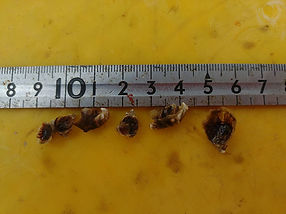
**採苗結果と成長状況
左1(採苗状況)、左2(採苗後約3週間)、左3(採苗後約6週間)、左4(7月30日5mm入荷で9月11日状況)
■ 5. 課題分析と改善可能なポイント
養殖エリア全体の海水温(海面から海底までの温度に差が無い海域)を下げること、海水中の栄養環境(プランクトン量を増やす)の2点を改善することは現実的に難しい。 しかし、次の2つは技術的に改善は可能と判断した。
● ① 牡蠣を鍛える:水中 ↔ 気中の上下移動(浮沈式筏)
筏を浮かせたり沈めたりすることで、牡蠣を気中に出し、 強い殻・強い体質を持つ牡蠣に育てる“鍛える養殖” が可能。
気中に一定時間滞在さすため付着物が付きにくく成長の邪魔をしにくい。
● ②養殖いかだ単位での 海水中溶存酸素量を増やす:空気ポンプ装置
一定温度化の液体は自然に滞留は起きにくい。
空気の力で溶存酸素量を上げその海水を循環させ海中環境を改善する。
■ 6.独自 開発した新しい養殖システム
-
太陽光発電により環境いやさしい発電を行い、このエネルギーを利用し空気の力で環境変化と機会を稼働させ地球にやさしい温暖化対策された養殖技術
● 地場産牡蠣種と3倍体種苗を利用し、浮沈式筏 × 環境改善装置の組み合わせによるハイブリッド養殖システム
目的:牡蠣の生存率を最大化し増産できるようにするための”地場にあった種苗選択”と“環境改善”と“牡蠣の強化”を同時に行う。
■ 7. 実証実験の意義
-
気候変動に強い牡蠣養殖のモデルになる
-
和歌山県紀北の海の再生につながる
-
地元種の強さを活かした新しい地域ブランドの創出
-
世界にない独自技術として発展可能
-
他の貝や魚(ホタテ・マグロやサーモン等魚)等同じ技術を使い応用が可能
国の支援を受けて始まるこの実験は、 未来の養殖世界を変える可能性を持つ挑戦 である。


It was introduced to collect locally produced oyster spat.
OK Plate

We successfully collected the seeds locally. We will cultivate these seeds over the next eight months.

It grew this much in just one month!
🌊 紀北式ハイブリッド養殖とは?
気候変動で厳しくなる海の環境に負けない、 新しい牡蠣養殖のかたちを紀北の海からつくっていす。
私たちは、
-
干潟の無い沖合で潮の満ち引きに関係なく筏をエアーの力で浮沈させ牡蠣自体を気中曝露し鍛え強くする。
-
太陽光発電+エアーの力で環境にも優しい「サステナブルシステム」を活用し海水中の酸素濃度を増す
この2つを組み合わせた、世界初のハイブリッド養殖システムを開発しました。
🐚 試験養殖がスタート
4月から宮城種でバスケット養殖をスタート、7月に九州系の3倍体種を、8月に地場産真牡蠣種を採苗し、種による成長・生存率の違い 海の変化に強い牡蠣を育てるためのデータを集めていきます。
🔥 次のステップ:3倍体カキの導入
年間通し出荷可能な「3倍体カキ」の種苗、地元海の高水温環境に強いとされるの種を取り入れ、 通年出荷可能な牡蠣づくりを目指します。
**7月30日に入荷した5mmサイズの3倍体牡蠣種は8月8日現在約10mmに順調に成長、
右の写真は9月11日現在
🌱 地元種の採苗も強化
中国電力の「牡蠣ナビ」を活用し、 地元の牡蠣が付着するタイミングを科学的に把握。今まではとても難しかった 採苗作業を判定するタイミングが簡単になり、新しい生産者も増やしやすく、牡蠣成長を阻害するフジツボの定着期を管理することにより垂下式カキの養殖エリア移動タイミング決定に用います。
**7月中頃大潮第1回目採苗約5,000個成功
**8月初旬大潮2回目採苗 半数を食害受けましたがプレート1枚で大量の採苗に成功
(食害を受けプレート外周が綺麗に食べられ対策が右側これで食害ゼロです)
約30日で大きいので20㎜程度に成長これをバスケットで鍛えながら約8ヶ月養殖
🛠️ 目指す未来
-
海中環境改善に牡蠣を鍛える事による生存確率向上に加え生存率の高い地場産種を育てる
-
年間を通じて出荷できる体制をつくる
-
生産者を増やし、高齢化している地域漁業を若返り化し元気にする
-
この技術を応用し他の貝や魚等(サーモン・マグロなど)の養殖に使用する
-
紀北の海から、世界で唯一の新しい養殖の未来をつくっていきます。


I've organized the text to be easily replaceable on the page, following the outline. Since the published page itself hasn't been changed yet, please reflect the following in the Wix Editor.
1. First View
Headline
From the seas of northern Kii Peninsula to climate change-resistant oyster farming.
Lead paragraph: In order to respond to rising seawater temperatures and changes in oxygen and nutrient environments, Tateyama Fisheries is working on demonstrating an aquaculture system that combines floating and submersible rafts with seawater environment improvement equipment. This is a new challenge aimed at cultivating oysters suited to the seas of northern Kii Peninsula.
Subheading: Aiming to be the world's first "Kihoku-style hybrid aquaculture"
It's recommended to place large photos of the current ocean or aquaculture rafts, and then arrange the text above or immediately below the photos.
2. Why are new aquaculture methods needed?
Facing the ever-changing marine environment
In recent years, rising sea temperatures and changes in the oxygen and nutrient environment in seawater have become major challenges for oyster farming. Damage to farmed oysters has also occurred in the waters of northern Kii Peninsula, highlighting the need for cultivation methods that can adapt to these environmental changes.
Main challenges
Rising sea surface temperature
Oxygen deficiency in seawater
A shortage of plankton and other organisms that oysters feed on
3. Mechanism of the aquaculture system
Two innovative approaches support oysters and the aquaculture environment.
Oysters are trained using a floating raft. The raft is raised and lowered, moving the oysters between water and air. By exposing them to air for extended periods, the aim is to cultivate stronger oysters.
Using the power of air to improve the seawater environment: We aim to improve the oxygen environment by using air to circulate seawater around the raft.
Here, we will place photos of the "floating state" and the "sinking/airlift operation state" side by side, all the same size.
4. Progress of the demonstration experiment
From prototyping to seedling collection and growth confirmation.
We are currently working on prototypes of submersible rafts and verifying the operation of the equipment, while also conducting trial aquaculture using multiple types of oyster spat. We are also trying our hand at collecting spat from locally sourced oysters and recording their growth and survival.
How to arrange photos
Prototype and operation of a submersible raft
Seedling collection process
Growth record
Please include a brief date and description for each photo. If you include numbers or growth results, please verify that they match the actual records before posting.
5. What is the Kiho-style hybrid aquaculture?
This aquaculture system combines oyster cultivation using submersible rafts with seawater environment improvement using air. Through trials involving locally sourced species and triploid seedlings, we are exploring cultivation methods suited to the waters of northern Kii Peninsula.
6. The Future We Aim For
Aiming for sustainable aquaculture suited to the seas of northern Kii Peninsula
Oyster farming that can adapt to environmental changes
Establishing a year-round shipping system
To increase the number of local producers and revitalize the fishing industry.
Future technological applications to other mollusks and fish.
These are the goals we are aiming for through this demonstration. By separating the confirmed results from our future goals, we can more accurately convey the current state of our efforts.
7. End of page
Please feel free to contact us regarding our aquaculture efforts underway in the waters of northern Kii Peninsula.
Button: Contact Us
By aligning the aspect ratio of headings and photos, and the spacing between sections, and by placing photos and descriptions together, even long pages become easier to follow.
Create a page with this content.
The page layout has been configured.
You cannot add or apply the "World First" page to your Wix site from this chat. The proposed layout from earlier has not yet been reflected on the site.
You will need to create the actual page using the Wix Editor. Please use the text above to add and assemble the page sections in the editing screen.